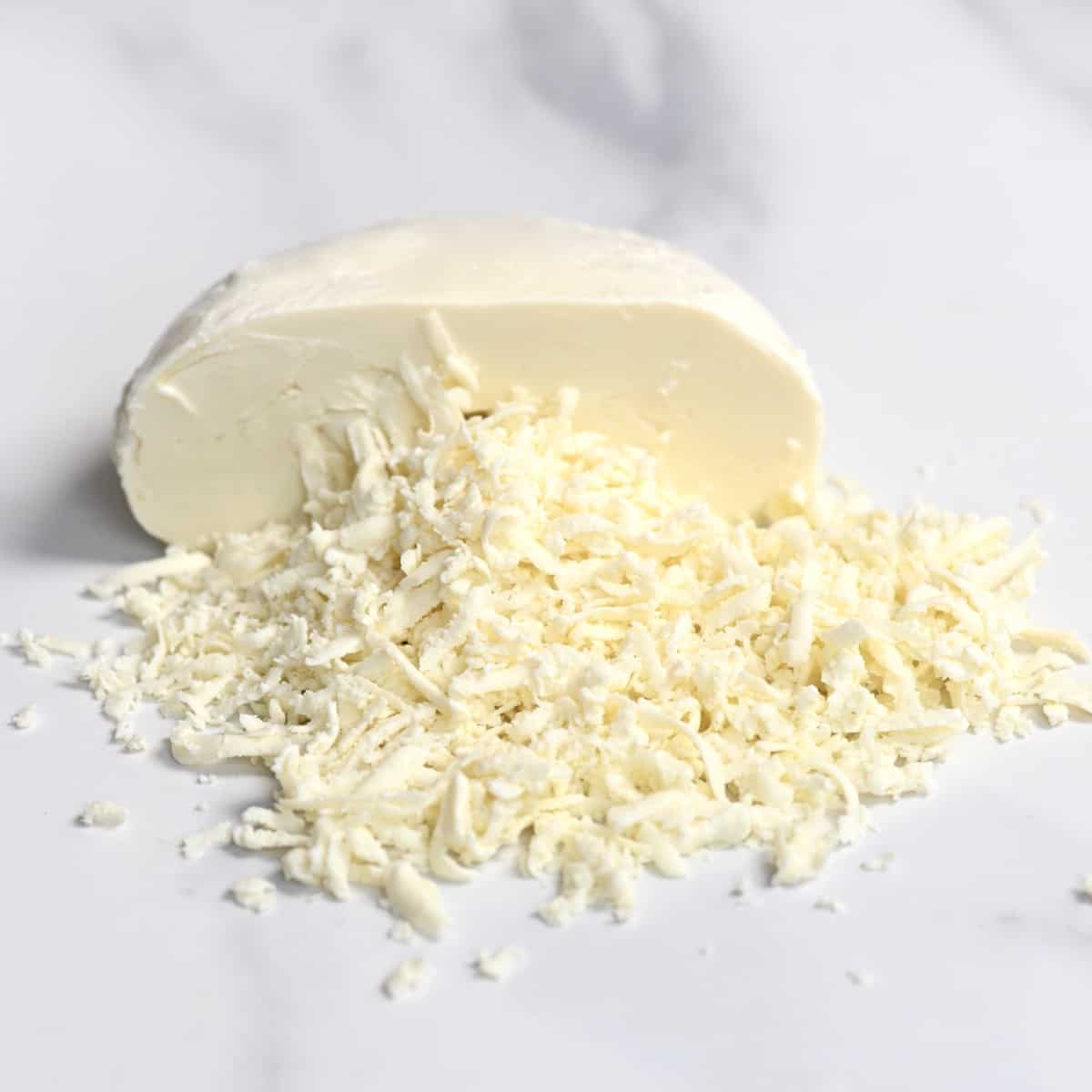
Make Fresh Mozzarella Fast: Under 60 Minutes with Just Vinegar
Imagine biting into a soft, creamy ball of mozzarella, still warm from your kitchen, perfectly paired with a ripe, juicy tomato and a sprinkle of sea salt. What if we told you that this culinary dream isn't a weekend project, but something you can achieve in less than an hour, using just three simple ingredients you likely already have on hand? Forget rennet, citric acid, or any other specialized cheese-making agents. This guide will show you
how to make mozzarella cheese quickly and effortlessly, proving that fresh, homemade goodness is always within reach.
Why Make Mozzarella at Home (Especially This Way)?
The allure of homemade mozzarella is undeniable. The taste and texture of freshly made cheese are leagues beyond anything you'll find pre-packaged at the grocery store. While many traditional recipes call for rennet or citric acid, which can be intimidating for beginners or hard to source, this vinegar-based method simplifies the process dramatically. It's truly the easiest way to experience the magic of transforming milk into cheese.
*
Unbeatable Freshness: The flavor of mozzarella eaten shortly after it's made is unparalleled. It’s delicate, milky, and incredibly tender.
*
Speed and Simplicity: In under 60 minutes, you can go from a gallon of milk to a beautiful ball of cheese. This isn't a recipe that demands hours of tending; it’s perfect for a spontaneous craving or a last-minute addition to dinner.
*
Pure Ingredients: With just milk, vinegar, and salt, you know exactly what’s going into your food. No stabilizers, preservatives, or artificial flavors.
*
Versatility for Fresh Eating: This particular mozzarella is ideal for savoring on its own, perhaps with a drizzle of olive oil, or starring in a classic Caprese salad. While delicious, its higher moisture content makes it less suited for grating on pizzas or baking into lasagna – for those uses, you might look into a low-moisture mozzarella recipe. However, for sheer fresh delight, this vinegar method is king.
If you’re keen to explore more about simple homemade cheese, you might find
The Easiest Homemade Mozzarella Recipe: 3 Ingredients, No Rennet a helpful read as well.
Gather Your Simple Ingredients and Essential Tools
The beauty of this recipe lies in its minimalist approach. You truly only need three ingredients and a few common kitchen tools.
Ingredients:
*
1 Gallon Whole Milk: This is crucial. For the best yield and creamy texture, *always* use whole milk. Reduced-fat milk often won't curdle as effectively, leading to disappointing results. Look for pasteurized (but not ultra-pasteurized) milk if possible, as ultra-pasteurization can sometimes interfere with curd formation.
*
Plain White Vinegar: This is your secret weapon, replacing rennet as the coagulant. It provides the acidity needed to separate the milk into curds and whey.
*
1 ½ Teaspoons Salt (or to taste): Salt enhances the flavor. As you gain experience, feel free to adjust this amount to your preference. Start with the recommended amount and remember you can always add a pinch more at the end.
Essential Tools:
*
Large Pot (at least 6-quart): To comfortably hold a gallon of milk.
*
Long-Handled Spoon or Whisk: For stirring the milk and ensuring even heating.
*
Accurate Food Thermometer: Absolutely vital for precise temperature control, which is the cornerstone of successful cheese making.
*
Large Bowl: To collect the whey.
*
Strainer or Colander: To separate curds from whey.
*
Cheesecloth (2-3 layers): Essential for effectively draining the whey from the curds. If you don't have cheesecloth, a very clean, thin kitchen towel might work in a pinch, but cheesecloth is ideal.
*
Microwave-Safe Bowl: For reheating the cheese during the stretching phase.
*
Rubber Gloves (optional, but highly recommended): The cheese will be hot during stretching!
Step-by-Step Guide: Your 60-Minute Mozzarella Masterclass
Let's dive into the incredibly straightforward process of making your own fresh mozzarella. Remember, precision with temperature and thoroughness in squeezing are your best friends here.
Heating the Milk to Perfection
1.
Pour the milk: Transfer your full gallon of whole milk into your large pot.
2.
Gentle heat: Place the pot over medium-low to medium heat. The goal is to warm the milk gradually and evenly.
3.
Stir constantly: Use your large spoon to gently stir the milk almost continuously. This prevents the milk from scorching on the bottom of the pot, which can impart an unpleasant flavor to your cheese.
4.
Monitor temperature: Keep a close eye on your food thermometer. You're aiming for a temperature of approximately 110-115°F (43-46°C). Do not let it boil or get too hot, as this can lead to rubbery cheese. This phase should take about 10-15 minutes.
The Magic of Vinegar: Coagulation Begins
1.
Add vinegar: Once the milk reaches the target temperature, remove the pot from the heat. Pour in the plain white vinegar.
2.
Gentle stir: Stir the mixture gently but consistently for about 30 seconds. You'll almost immediately notice a transformation! The milk will begin to curdle, separating into solid white curds and yellowish, watery whey. It’s truly fascinating to watch this process unfold. The mixture will become increasingly thick and difficult to stir.
3.
Rest: Cover the pot with a lid and let it rest undisturbed for 15 minutes. This crucial resting period allows the curds to fully form and firm up.
Separating Curds from Whey
1.
Set up your strainer: While the curds are resting, prepare your straining station. Place your large bowl in the sink (to catch any spills and the whey). Position your strainer or colander over the bowl, and line it with 2-3 layers of cheesecloth.
2.
Transfer the curds: After 15 minutes, carefully pour the entire contents of the pot – curds and whey – into the cheesecloth-lined strainer. Alternatively, you can use a large slotted spoon to transfer just the curds into the cheesecloth, discarding most of the whey from the pot first.
3.
Squeeze, squeeze, squeeze! Gather the corners of the cheesecloth to form a bundle around the curds. Now, this is where you need to put some muscle into it! Squeeze out as much liquid (whey) as humanly possible. The more whey you remove, the firmer and more sliceable your mozzarella will be, and the easier it will be to stretch. You should end up with a rough ball of cheese. This step is critical for developing the right texture.
The Stretch and Fold: Creating That Signature Texture
1.
Initial salting and heating: Transfer the squeezed cheese ball into a microwave-safe bowl. Sprinkle it with your 1 ½ teaspoons of salt.
2.
Microwave: Heat the cheese in the microwave for 30 seconds. It will be very hot!
3.
Stretch and fold (first round): Using gloved hands (or two sturdy spoons if it’s too hot), carefully try to stretch the cheese apart. It might be crumbly at first. Fold the ends over each other, then stretch and fold again. This process develops the characteristic "strands" and smoothness of mozzarella.
4.
Repeat: The cheese will cool and become more resistant to stretching. Repeat the microwave-stretch-fold process one or two more times (30 seconds each, followed by stretching). You'll notice the cheese becoming progressively smoother, shinier, and more elastic with each round. Stop when the cheese is smooth, cohesive, and resists further stretching, indicating it's developed its structure.
For a deeper dive into making cheese at home, take a look at
Homemade Mozzarella Cheese: Your Simple Guide to Creamy Goodness.
Tips for Mozzarella Success & Serving Suggestions
*
Temperature is key: Do not rush the milk heating, and be precise with your thermometer. Too cold, and the curds won't form well; too hot, and your cheese will be rubbery.
*
Squeeze hard: Seriously, get all that whey out. It makes all the difference in the final texture.
*
Work quickly and carefully: The stretching phase requires working with hot cheese. Use gloves to protect your hands and allow you to really work the cheese.
*
Experiment with salt: The recommended amount is a good starting point. Feel free to adjust based on your personal preference for future batches.
*
Serving Suggestions:
*
Caprese Salad: The quintessential pairing! Slices of fresh mozzarella with ripe tomatoes, basil leaves, a drizzle of extra virgin olive oil, and a sprinkle of flaky sea salt.
*
Crusty Bread: Simply tear off pieces and enjoy with a good loaf of sourdough or baguette.
*
Prosciutto: A classic antipasto combination.
*
As is: Sometimes, the best way to enjoy fresh mozzarella is just a plain bite to savor its delicate flavor and texture.
This mozzarella is best enjoyed the day it's made, ideally while still slightly warm. If you have leftovers, store them in an airtight container in the refrigerator, submerged in a lightly salted water (or a small amount of the leftover whey if you saved it). It will keep for 2-3 days, though its texture will firm up.
Conclusion
Making fresh mozzarella cheese at home doesn't have to be an intimidating, all-day affair. With just a gallon of whole milk, some plain white vinegar, and salt, you can create a truly delicious, creamy, and satisfying cheese in under an hour. This rapid, rennet-free method is a game-changer for anyone wanting to enjoy the unparalleled taste of truly fresh mozzarella. So, grab your pot and thermometer, and get ready to impress yourself and your loved ones with this incredible culinary accomplishment. Happy cheese making!